Working Parents Day Gift Guide: Thoughtful Gifts for Every Stage of Parenthood
When you were growing up, you probably didn't think much about how your parents managed work and family at the same time. You knew they went to work, came home, made dinner, helped with homework, drove you where you needed to go, and somehow kept the household moving.
It takes getting older to notice the things you didn't see then: the early mornings, the late work calls, the weekends spent catching up, and the way they made time for you even when they didn't have much time left for themselves.
Working Parents Day is a good excuse to recognize that. Whether your parents are in their 30s raising young children, in their 40s or 50s balancing career and family, or still working later in life, a thoughtful gift can meet them where they are—and give a little attention back to the person behind the many responsibilities.
What Is Working Parents Day?
Working Parents Day is observed on September 16 in the United States, recognizing parents who balance professional responsibilities with raising a family.
For adult children, the occasion can mean something different from a typical holiday. You aren't simply buying your parents another present. You're recognizing something you may understand better now than you did as a child: how much goes into keeping a family and a career moving at the same time.
That makes the best Working Parents Day gifts less about price and more about fit. Think about what your parents enjoy, what they rarely make time for, and what would make an ordinary part of their day a little more enjoyable.
Working Parents Day Gifts by Life Stage
The right gift can look very different depending on where your parents are in life. A 35-year-old parent with young children may have almost no uninterrupted time, while a parent in their 50s or 60s may be looking for ways to make their routines more intentional.
Parents in Their 30s and Early 40s: Keep It Simple
For parents raising young children while building their careers, free time is usually fragmented. A two-hour spa treatment may sound wonderful in theory, but finding two hours can be the hardest part.
Small wellness gifts that fit into an existing routine often make more sense: good coffee or tea, a comfortable robe, a journal, a book, or something for a few quiet minutes after the kids are asleep.
If you're their adult child, you can make the gift more useful by pairing it with time. Take care of dinner, help with an errand, or give them an afternoon without responsibilities. A small gift becomes much more meaningful when they actually have time to enjoy it.
Parents in Their 40s and 50s: Make Room to Slow Down
By this stage, parents may be balancing demanding careers with teenagers, aging relatives, or a household that still seems to generate an endless list of things to do.
This is a good age for gifts centered around everyday wellness rather than another productivity tool. Think tea, reading, gentle movement, meditation, a massage, or a home ritual that gives the end of the day a different rhythm.
Traditional herbal incense can fit naturally here, particularly for parents who already enjoy quiet evenings, yoga, meditation, or simply sitting with a cup of tea after dinner. It doesn't require a new destination or a complicated routine; it can become part of something they already enjoy.
Parents in Their 50s and 60s: Choose Something With Character
As life becomes less centered around raising young children, many parents have more room to explore their own interests again.
This can be a good time to choose gifts with a sense of craftsmanship, tradition, or personal meaning: specialty tea, books, handmade objects, traditional incense, cooking experiences, garden-related gifts, or something connected to a long-standing hobby.
A gift with a story behind it can be especially appealing at this stage. Instead of simply giving them another scented product, for example, you might introduce them to the centuries-old tradition of Chinese herbal incense and let the object become part of their own home ritual.
Parents 60 and Beyond: Give Them Something to Enjoy at Their Own Pace
Working parents don't necessarily stop being busy when they reach their 60s. Some continue working full-time, others work part-time or run businesses, and many have simply replaced one set of responsibilities with another.
At this stage, experience and enjoyment can matter more than practicality. Consider a meal together, a day trip, tickets to something they love, a hobby-related gift, or something that encourages a slower pace at home.
The best choice is something they can enjoy without feeling that they need to “get something done” with it.
Six Thoughtful Working Parents Day Gift Ideas
Age is only one way to think about the right gift. Your parents' personalities and everyday habits matter just as much.
For the Parent Who Says, “I Don't Need Anything”
If your mom or dad gives that answer every time you ask what they want, don't necessarily take it as a shopping instruction.
Look for something they wouldn't think to buy for themselves: a good tea, a book, something for a favorite hobby, a beautiful home item, or a small wellness ritual.
The best choice is something that feels personal rather than useful to the whole family.
For the Parent Who Never Really Switches Off
Some parents close their laptop and immediately start thinking about tomorrow. Others are still answering messages after dinner or checking their calendar before bed.
For them, consider something that creates a clear transition into personal time: a favorite drink, music, a book, a bath, gentle stretching, or incense.
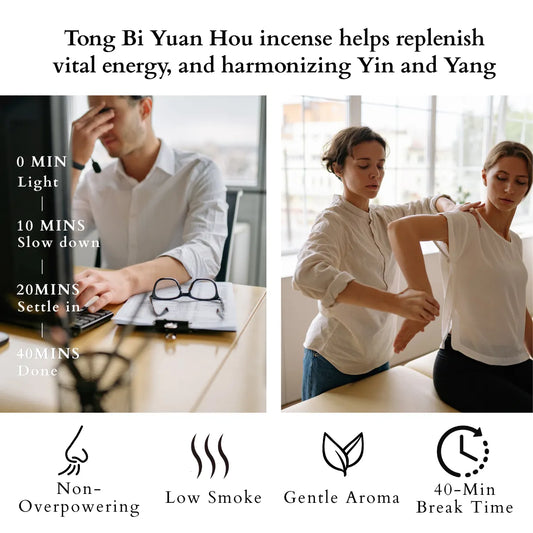
A 40–45 minute incense ritual, for example, can naturally accompany the time between finishing work and going to bed without requiring them to set aside an entire evening.
For the Parent Who Loves Quiet Mornings
Maybe your mother is happiest with coffee before anyone else wakes up. Maybe your father reads the news slowly on weekend mornings.
Build the gift around that moment.
A beautiful mug, specialty coffee or tea, a journal, a book, or a subtle natural fragrance can make a familiar routine feel a little more special.
You don't have to give them a new wellness routine. Enhance the one they already have.
For the Parent Who Has Everything
When your parents already own everything they need, stop looking for another object.
Plan something instead.
Take them to dinner. Arrange a day trip. Book an experience. Cook a meal together. Buy tickets to something they've mentioned wanting to see.
If you want something physical to accompany it, choose a small gift that connects to the experience rather than competing with it.
For the Parent Who Enjoys Wellness Without Making It a Lifestyle
Not every parent wants a shelf full of supplements or a complicated morning routine.
Some simply enjoy the things that make home feel good: tea, music, books, yoga, gardening, cooking, meditation, or a quiet evening.
For these parents, wellness works best when it feels natural rather than prescriptive. A thoughtful gift should support the way they already live, not tell them how they should live.
For the Parent You Don't See Often Enough
This may be the most meaningful category of all.
If you live in another city or only see your parents a few times a year, choose something that can create a connection even when you're apart. Send a favorite tea, a book you can both read, a gift connected to a shared memory, or a small ritual you can both enjoy.
And if possible, add a handwritten note. A few personal sentences can make an otherwise ordinary gift feel unmistakably yours.
Why Herbal Incense Can Be a Meaningful Gift
For parents who appreciate natural fragrance, traditional craftsmanship, or quiet home rituals, incense offers something beyond scent.
Incense sticks has a long history of being used alongside meditation, tea, contemplation, and other everyday rituals. Unlike a decorative object that simply sits on a shelf, incense becomes part of a moment.
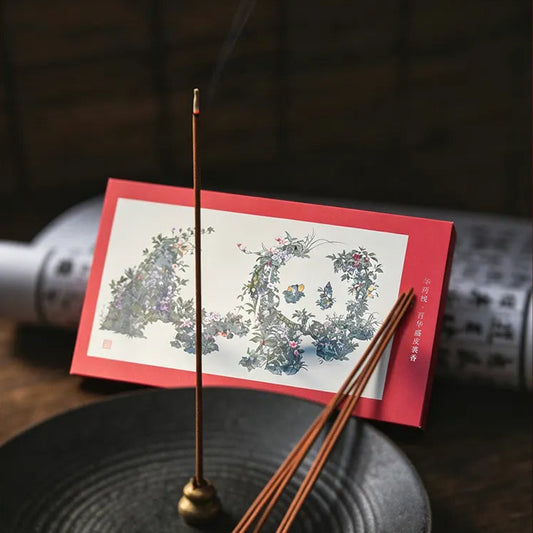
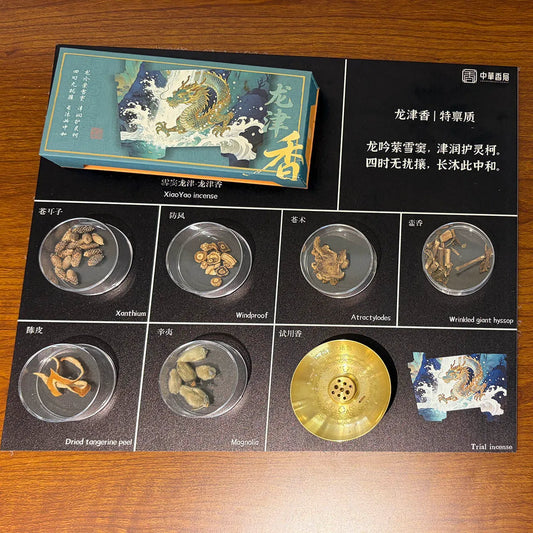
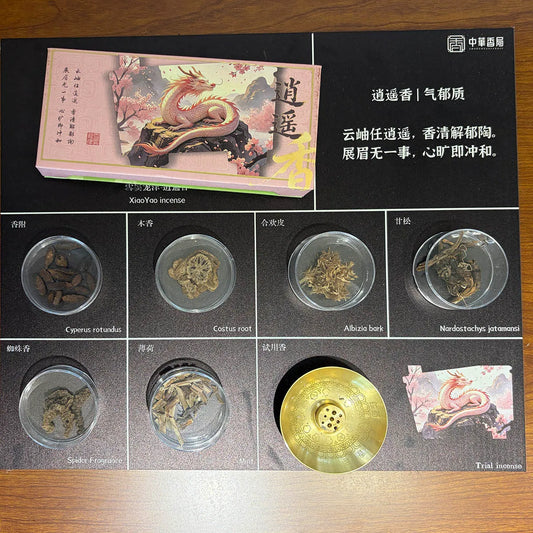
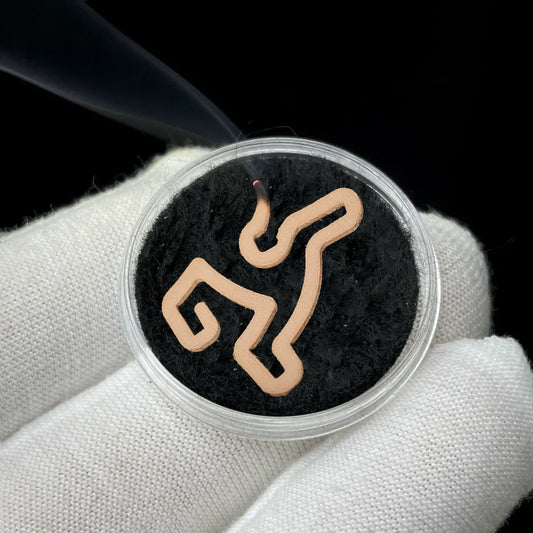
Panda Incense uses natural botanical ingredients and traditional incense-making methods. Its coreless incense is made without synthetic fragrance or charcoal, with each stick designed to burn for approximately 40–45 minutes.
That makes it particularly suited to parents who already have a quiet ritual of their own: tea after dinner, a few chapters before bed, meditation in the morning, or simply a little time sitting together.
It isn't about adding another wellness task to their day. It's about giving an ordinary moment a little more intention.
How to Make Your Working Parents Day Gift More Personal
The easiest way to make a gift meaningful is to connect it to something you know about your parents.
If your mom loves quiet mornings, build the gift around breakfast and coffee. If your dad enjoys reading, choose something that belongs beside his favorite chair. If they both enjoy spending evenings together, create a small at-home ritual you can share.
And don't underestimate the value of doing something for them.
Cook dinner. Make the reservation. Take care of an errand. Give them an afternoon without obligations.
A gift becomes much more memorable when your parents can tell that you didn't simply search for “best Working Parents Day gifts.” You thought about them.
The Gift Doesn't Have to Be Big
Your parents may not remember every gift you gave them over the years. They may remember that you noticed them.
Working Parents Day offers a simple reason to do that. Whether your parents are raising young children, navigating demanding careers, enjoying a new stage of life, or still working well beyond the age you expected, choose something that fits the people they are now.
For parents who enjoy natural fragrance and traditional rituals, explore Panda Incense's collection of handcrafted Chinese herbal incense—a simple gift for quiet mornings, slower evenings, and the everyday moments that are finally theirs.
Sometimes the most thoughtful gift isn't something they need.
It's something that says you see them beyond the role of “Mom” or “Dad.”