Xiang Yao Bureau: Guardian of Chinese Incense & Aromatics Heritage
Chinese incense culture boasts a long and profound history. Originating from ancient fire‑offering rituals, it has evolved into a sophisticated system integrating ritual etiquette, medicinal wellness, and aesthetic lifestyle. Throughout its thousand‑year development, the Xiang Yao Ju (香药局, Incense, Aromatics & Medicinal Bureau) has served as the core institutional carrier for preserving traditional incense craftsmanship, cultural norms, and folk heritage. First established in the Song Dynasty, it standardized scattered incense customs and techniques, laying a solid foundation for the systematic inheritance of Chinese incense culture.

1. Origin in the Song Dynasty: Official Institution & Complete Imperial System
The Xiang Yao Bureau was a key part of the official “Six Bureaus and Four Departments” system in the Song Dynasty, specially in charge of incense services for royal ceremonies, banquets, and various ritual occasions. To support its operation, the imperial court set up an independent Xiang Yao Cang (香药仓, Incense, Aromatics & Medicinal Warehouse) — a royal storage authority responsible for collecting, managing, and distributing rare tribute and traded aromatics. While the Xiang Yao Bureau specialized in practical incense application and on‑site ritual services, the Xiang Yao Warehouse administered material reserves. The two institutions complemented each other and formed China’s first mature, official incense management system.

As recorded in authoritative Song‑dynasty classics such as Records of Dreamlike Prosperity and Stories of the Capital, the Xiang Yao Bureau performed detailed and professional duties. Its services included arranging rare tribute incense, maintaining incense burners and incense cakes, and preparing aromatic medicinal soups for refreshment and wellness. Beyond royal use, common citizens could also hire bureau craftsmen to provide professional incense services for weddings, festivals, and family banquets, making elegant incense rituals accessible to ordinary society.
2. Historical Evolution: From Official System to Folk Heritage
During the Song and Yuan dynasties, the officially run Xiang Yao Bureau gathered top craftsmen, ancient incense formulas, and standardized production procedures. It established rigorous criteria for material selection, incense refining, and ritual use, forming the most professional incense system of its era.
After the Yuan‑Song dynastic transition, the imperial “Six Bureaus and Four Departments” system was abolished, and the official Xiang Yao Bureau ceased to exist as a state institution. However, its exquisite craftsmanship and orthodox incense heritage were never lost. Dispersed royal craftsmen passed down standardized Song‑dynasty incense techniques and formulas to folk communities.
From the Ming Dynasty to the Qing Dynasty, numerous private incense and aromatics workshops and fragrance brands thrived across the country. These civilian studios inherited the core craftsmanship and cultural philosophy of the ancient Xiang Yao Bureau. They preserved traditional refining standards while adapting to folk needs for blessing, epidemic prevention, health preservation, and seasonal rituals. Historical documents from the Song to Qing dynasties fully record the bureau’s functions, institutional evolution, and incense management systems, providing solid textual evidence for modern cultural inheritance.

3. Major Traditional Aromatics Categories: Embodied Millennia Craftsmanship
The traditional aromatics techniques inherited from the Xiang Yao Bureau accumulate more than two thousand years of Chinese wisdom. Classified by form and function, major incense types cover rituals, wellness, daily use, cuisine, and cosmetics, reflecting the core Chinese philosophy of “aroma and medicine share the same origin”.

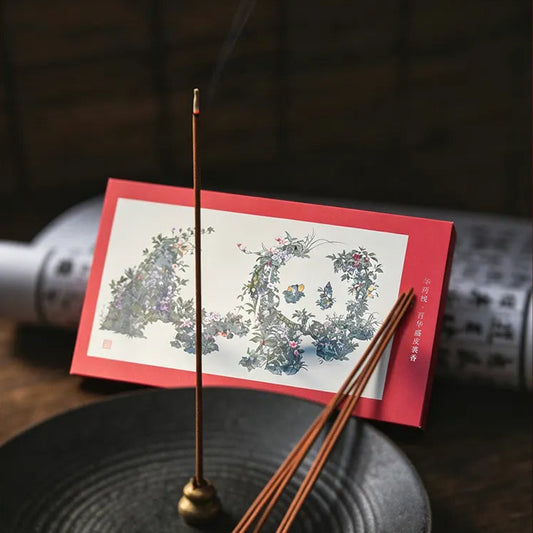
- Incense Stick: The most classic and popular form. Made through ancient procedures including material blending, kneading, shaping, and natural drying. With pure smoke and elegant fragrance, it is widely used in worship, meditation, and home aromatization.
- Incense Cone & Coil: Cone‑shaped and spiral coil incense, widely used for home aromatherapy and ritual occasions, with slow‑burning gentle fragrance.
- Medicinal Aromatic Accessory: A representative product of aromatic medicine therapy. Refined from scientifically blended herbal aromatics and pressed into wearable solid shapes. It serves the purposes of purifying negative energy, calm the mind, preventing plagues, and regulating physical wellness based on traditional Chinese medical theories, and also serve as elegant traditional accessories.
- Aromatic Herbal Drink: A typical Song‑dynasty lifestyle innovation. Aromatic herbs are specially processed and formulated into mild healthcare beverages, conditioning internal organs and integrating fragrance into daily medicinal diet therapy.
- Aromatic Cuisine: An essential part of ancient aromatic food culture. Natural spices and medicinal aromatics are applied in cooking to enrich flavor and nourish the body, realizing the integration of food therapy and aromatic wellness.
- Aromatic Cosmetics: Embodiment of ancient Chinese aesthetic life. Fragrant herbs and precious aromatics are made into scented powder and ointment, moisturizing the skin, beautifying the complexion, and leaving an elegant natural fragrance.
4. Cultural Value: Inheritance and Contemporary Significance
From the standardized official system of the Song Dynasty to the prosperous folk workshops of the Ming and Qing dynasties, the Xiang Yao Bureau lineage forms the continuous cultural backbone of Chinese incense heritage. It systematically preserves ancient craftsmanship, exclusive formulas, and ritual norms, connecting royal etiquette, literati aesthetics, folk customs, and traditional medicinal wellness into an integrated cultural system.
Today, the millennia‑old craftsmanship and philosophical wisdom inherited from the Xiang Yao Bureau continue to thrive. The six traditional incense categories and their profound cultural connotations integrate seamlessly with modern life, allowing the timeless charm of Chinese incense culture to pass down endlessly through generations.