Best Incense for Beginners: 7 Scents to Start With
Share
If you are buying your first incense, start with sandalwood. Almost everyone has smelled something like it, so you will know whether the stick is decent. Cedarwood and frankincense are the next two worth trying.
The ones near the top are the easiest to judge, not the best. Wood and resin are smells most people have met before. Blends take longer, because several materials burn at once. There is no reason to rush to those.
Most beginners need one stick that works at home, in the room they actually sit in. So think about the moment first: mornings, the end of the day, a quiet hour alone. The scent follows from that.
Seven Incense Scents, Easiest First
Sandalwood: Warm, and Hard to Get Wrong
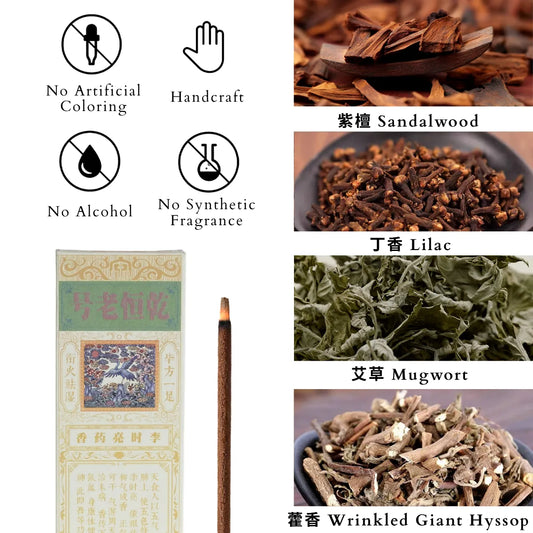
Sandalwood is where most people should start. It smells warm and slightly creamy, and it stays quiet in the room. You can leave one burning while you read or eat without the smell taking over. It is also the safest one to burn at home, at any hour. Because you probably know what sandalwood should smell like, a thin or harsh stick is easy to spot. Our sandalwood collection is a good place to see the range.
Cedarwood: Fresh-Cut Wood, Nothing Sweet
Cedarwood smells like a board that has just been cut. It is drier and sharper than sandalwood, with no sweetness at all. People who find sandalwood too soft usually prefer this one. It suits mornings, when a dry smell feels better than a sweet one.
Frankincense: Bright, and Then Dry
Frankincense comes from tree resin rather than wood. It opens bright, almost citrus, and turns drier as the ember moves down. It suits the end of the day, when the noise in the house drops. Buy it as a third or fourth stick, once you know resin is a direction you like. Our frankincense-inspired incense sticks uses it in several blends.
Lavender: Soft, and Already Familiar
Lavender is a flower, so it sits lighter than the woods above it. Most people have met it in soap or tea, which makes it easy to judge and easy to get bored of. A short burn is usually enough. It works in a bedroom or a small study better than in a large open room.
Floral: For People Who Already Like Flowers
Floral sticks are built around rose, jasmine, and similar flowers. They turn a room sweet fast, which is pleasant for ten minutes and tiring after twenty. Burn less than you think you need. Light one before people come over, and put it out once they sit down. Try them if you already keep cut flowers in the house.
Blended Incense: Several Materials at Once
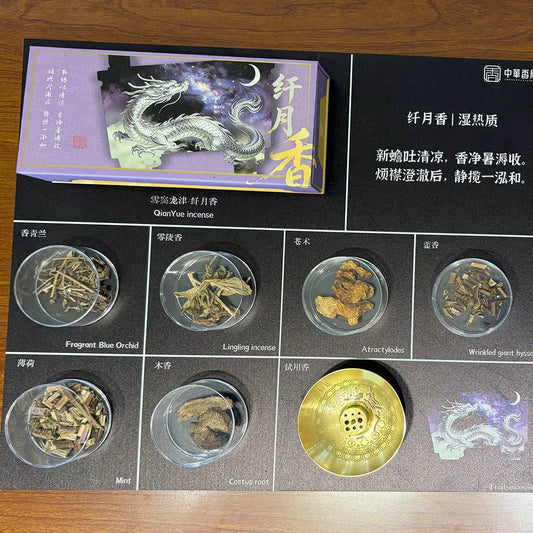
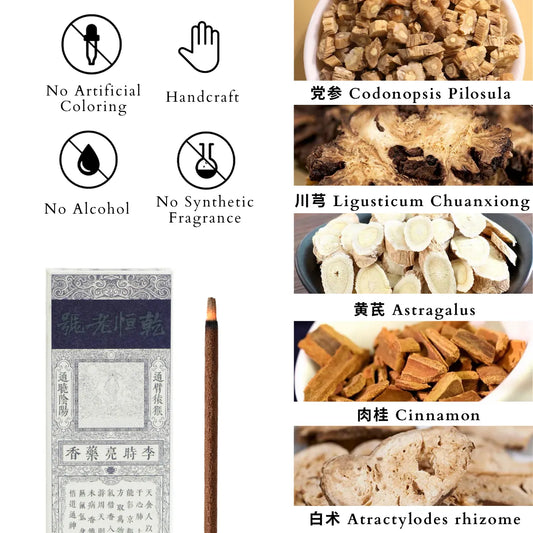
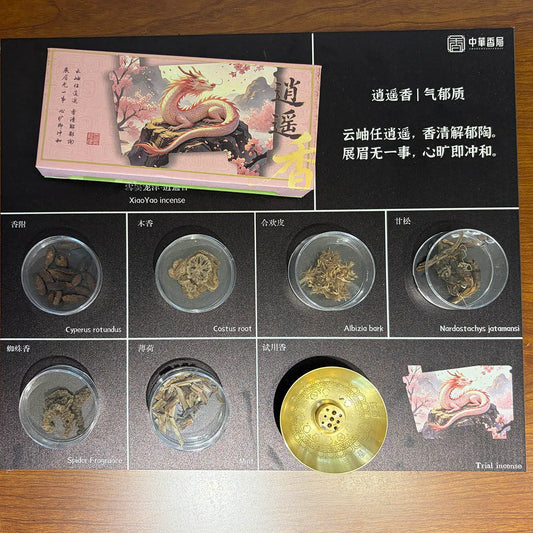
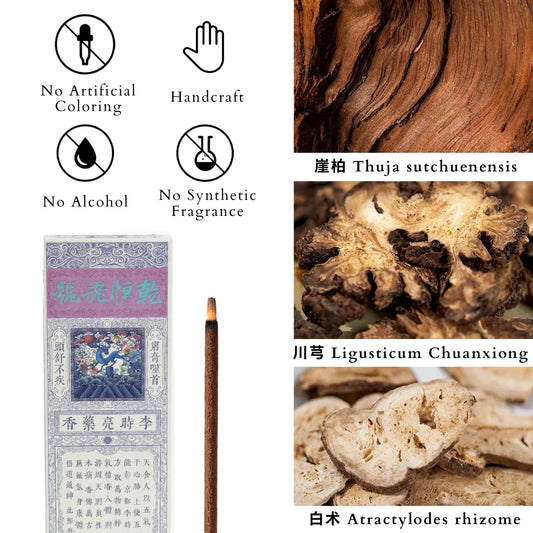
Most Chinese incense is a blend, and so is a lot of what comes out of India and Japan. Two or three materials are ground together so that one covers the weak spot in another. The result smells fuller than any single material, and it is harder to say what you are smelling. Good blends hide that well. This is the one to burn on an ordinary evening at home. Blended incense is nearly everything we sell.
Agarwood: Save It for Later
Agarwood is also called oud. It is the deepest and most expensive material here. It smells like old wood and damp earth, and it shifts as it burns. Beginners often call it heavy without being sweet. Save it for an hour when you are alone and not in a hurry. Buy it once you have burned enough sticks to know what you are comparing it to. Our agarwood collection shows what it does in a blend.
If you are not sure where to begin, our incense sticks run from wood to resin to flowers. Buy two, burn them one at a time, and see which one you reach for again.
Questions Beginners Ask
Can I burn more than one scent in a day?
Yes, just not in the same room at the same time. Two sticks burning together make one smell you cannot pull apart, so you learn nothing from it. Finish one first.
How do I know the stick is really plant material?
Cold, a stick made from ground plant material stays quiet. A stick with fragrance added at the end smells loud the moment the box opens. The checks that actually work are worth running before you pay.
What if I do not like the first one I buy?
Change the material before you change the brand. If sandalwood was too soft, cedarwood goes the other way. If both felt plain, a resin is the next step. Switching materials teaches you something. Switching labels usually does not.