When to Burn Incense? Eight Occasions
Share
Is there a wrong time to light a stick of incense, or does it not matter? It is the first thing most people wonder when they get curious about incense, and it is a question plenty of long-time owners cannot answer either. Some people burn two or three sticks on one good evening and then leave the box on the shelf for six months, because nobody ever told them which occasions a stick is actually for. I want to walk you through eight of them, each an ordinary part of a week rather than a ceremony, and for every one say what it actually asks of you, what the old traditions say about it, and where timing, luck and the count of sticks come into it.
1. A hotel or Airbnb room when traveling or on a business trip
You let yourself in late, and the smell arrives before anything else does. Bleach from the bathroom, detergent on the sheets, whatever the last guest was wearing. It stays with you after you have unpacked. So open the window and light incense as soon as you are through the door. It gives the room a smell that came in with you, which is a small thing and the only part of the room you get to choose. Pick something warm and low because what you want is a scent that reads soft rather than sharp, closer to the material.
The first night in a strange bed is the part nobody warns you about properly. The pillow is not yours, the light comes in from the wrong side, and the door is in the wrong place. Sleep research has a name for what happens next, and it is common enough that sleep labs throw away the first night of data and count from the second. Half the brain stays on watch. In the scan, the left hemisphere slept more lightly than the right one and woke faster to an unfamiliar sound, which is why you half-wake at a door closing somewhere down the hall. The instinct behind it is old and it is a useful one, and it simply has not been told yet that this room is fine.
That is what Qi Tu incense is for here, and it lines up with the advice the sleep researchers give themselves: bring something that makes an unfamiliar place feel more like home. A scent is the easiest version of that, because it takes no space in the bag and it is identical in every room you open.
The incense stick also has an end, and the end is the useful part. It burns out somewhere around the time you have showered, changed and dealt with the messages you had to deal with, so nothing is left to decide at bedtime. By the time you turn the light off, the room smells like something you chose and nothing is burning. That is a different room from the one you walked into.
2. A damp room or an always-closed room
You may know the thick and close smell for the door stays shut or a damp smell plus whatever is living in the moisture for an internal bathroom with no window. It is water and air. If it is the room you keep coming back to, you'd better burn incense frequently. What one stick buys you is a change in what the air is like to breathe. The air comes out thin and dry rather than thick and shut in or damp and sticky. Many people add incense to their routine, like burning one stick after the shower, every winter evening, or before treating a friend the guest room. The key is its frequency rather than quantity. That is why some people try this once, and conclude that incense does nothing.
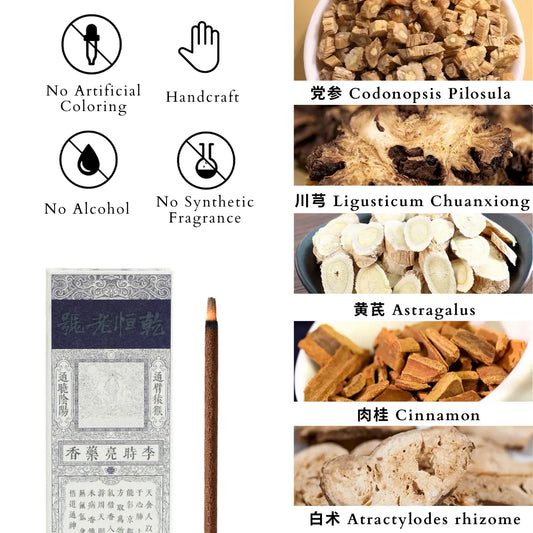
We don't choose a floral, sweet blend for a damp space, but a dry, resinous one, and that is the traditional answer for a damp space. In the Chinese materia medica, damp air is met with the materials classified as 芳香化湿, aromatic and drying. Warm and resinous blend brings sun warmth. Xu Yang incense is built with 肉桂 (cinnamon), 丁香 (clove), 艾叶 (mugwort) and 干姜 (dried ginger) over a resinous base, so what it gives off is warm and dry rather than sweet. On the coldest nights, it is the smell of a room being warmed, and that is the whole of what it is for.
3. Moving into a new apartment
Moving day, and the place is not home yet. You have been carrying boxes all afternoon, and everything is still where you set it down.
What you want in that first week is not a clean room. It is a room that feels like yours, and that usually takes months. The smell of a place is what makes it familiar, and it is the one part of moving in you can set on the first night. Smell reaches memory differently from the other senses. It brings back a whole scene, and it does that without asking you first. Burn the same incense at the same hour each night and by the end of the week the place smells like yours.
Pick Tong Qu incense. What you want is the smell of a room people have settled into. It is the first half hour of the day when your hands are empty, and the room reads calm for as long as it burns.
4. Coming home from a hospital or a funeral
You have spent hours in a hopital or funeral. You come home, you wash your hands, and you change your clothes.
In ancient China, it is a bath. 屈原's 《九歌》 has 浴兰汤兮沐芳, a bath with fragrant herbs, for the days that called for one. The version still alive is southern and specific: back from a hospital or a funeral, you come home to a pot of pomelo leaf water, boiled and cooled, for your hands and face, or for a full bath if it was a funeral. It is recorded as a household practice in Guangdong and Hong Kong, and 徐大椿's 《神农本草经百种录》 gives the tradition's own reason for the leaf, describing 橘柚 as 芳香辛烈, 自能辟秽邪而通正气, sharp and fragrant enough to turn a stale influence away.
In Japan the same move happens outside the door. A wake or a funeral hands you a small packet of 清めの塩, cleansing salt, in the thank-you envelope, and it is used before you go in. Hands first, then salt on the chest, the back and the feet, brushed off and stepped on. Where it happens is the whole point. Not in the house. Whatever you came home with does not cross the threshold.
The fear underneath all of it deserves a better word than superstition. Paul Rozin and his colleagues ran the experiment that gives it a name. They dropped a sterilized dead cockroach into a glass of juice, told everyone it had been sterilized, and people still liked the juice less. In another, a sweater came out of the laundry and was rated less pleasant when it had belonged to someone the person disliked. Rozin's name for the pattern is the law of contagion: once in contact, always in contact. It is not a belief you can talk yourself out of. That is why nothing can stop anyone from showering the moment they get home. It is an alarm, and an alarm gets answered by doing something with your hands.
For example, you have come from a place where people are seriously ill, and the part of that which is a real risk is a hygiene question. Soap, water and a change of clothes deal with it. What incense does is the boundary: it changes the Qi around you, so your stops reading as the place you just came from. New gentle scent replace the old. Brooks and her colleagues found that a short ritual performed before a stressful event lowered anxiety and improved performance, and that calling the actions a ritual was part of the effect. A Qing Geng incense stick is a good carrier for that because it has an end time.
5. A day with low energy people around you
A day of complaint. A meeting where the whole room was down. A long call with family. You get home with nothing left to spend and no line between their time and yours.
The tiredness is not all yours, which is the part worth knowing. Emotions move between people without anyone deciding to pass them along: you pick up the expression, the posture and the tone of the person in front of you, and you end up carrying a version of what they were feeling. Nobody signs for it. It arrives, and you are the one holding it at the end of the day.
So this is the occasion where the incense matters. Light it for a short break. A floral note suits the end of a social day because it is light while the day was heavy. Osmanthus or rose is the traditional floral note in a Chinese blend. Piqiu incense blends 33 flowers, and its calming aroma is soft and gentle.
6. A rough patch
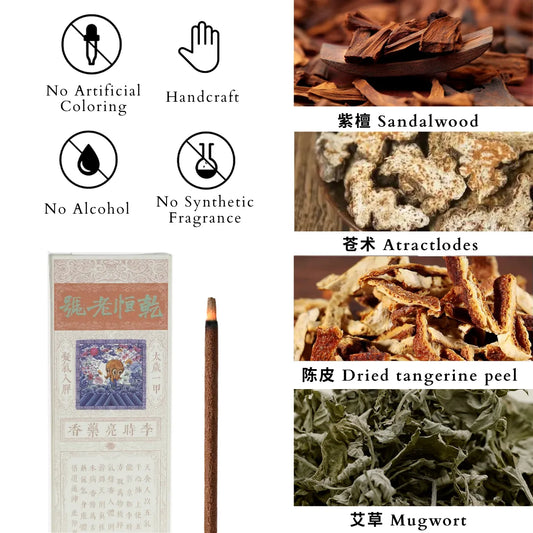
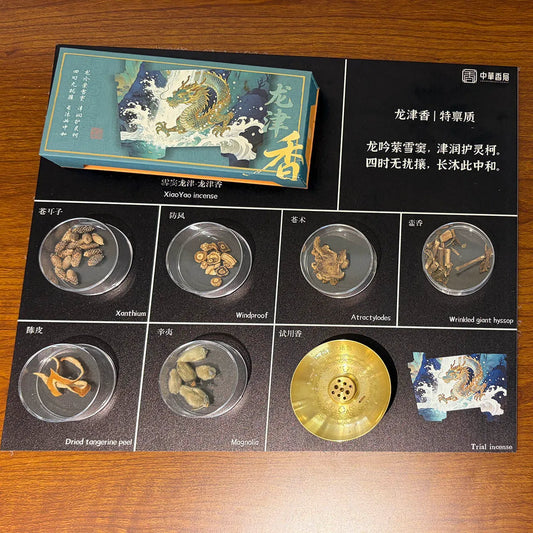
Not a bad week but months. The tradition had a name for low point like the run of things out of step. The habit was to keep a stick going in the house rather than save it for an occasion, and the instruction survives in a Ming guide to living, 高濂's 《遵生八笺》: 榻前时焚苍术诸香,勿令秽污,以辟不祥, burn atractylodes and the like by the bed as a matter of routine, and keep the place clear of stale air. The materia medica marks particular materials as a yang nature, and 艾 (mugwort) is one of them in 《本草从新》. A room that is warm, dry and attended to is the room the tradition wanted you in during a stretch like this, and the materials it chose for that room were the warm, drying ones.
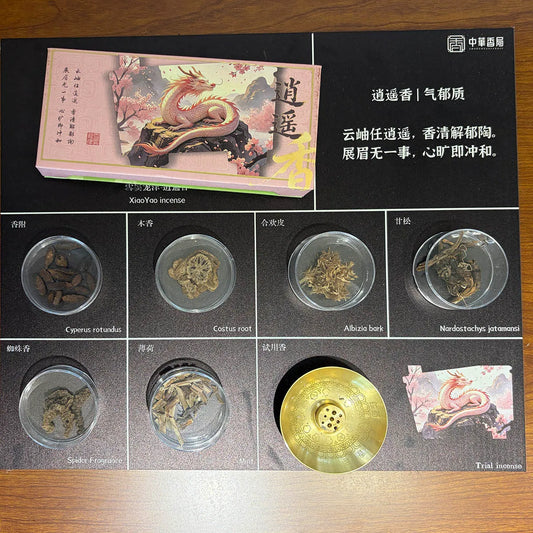
When you are in a slump, it takes away your sense of control, and a restored sense of control is the specific thing Norton and Gino measured rituals giving back. A Xiao Yao incense stick at the same time each evening gives you one hour a day that runs the way it is supposed to run, and it ends on its own.
7. A storm day
Low, gray, blowing hard, and the whole day happens indoors. Usually people are easy to get flat or short-tempered.
The low pressure is part of it, and this is one of the few places where the old idea and the current research describe the same thing. China's meteorological service says it plainly in its public guidance: a drop in pressure brings on a pressed-down feeling, and it names the gray damp days before a summer storm. The published research is narrower and more careful. In a study of nearly 7,000 people, a higher risk of depressive symptoms in men was associated with atmospheric pressure below about 1009 hPa in the two days before, and a rising wind made the association stronger. That is an association, in some people, on some days. Nobody is going to move the weather.
8. An evening when you cannot settle
The argument that is still running in your head. The deadline. The thing you cannot put down. Nothing in the room is wrong and you are still wound tight.
Burning incense and sitting quietly, is the Song dynasty version of this and also the practical one. Sit with it for the length of the stick. Put your eyes on one thing, or close them. This is not a private habit invented for an article. By the Song dynasty, burning incense had settled into daily life as one of the four idle pursuits that 吴自牧 lists in 《梦粱录》 alongside tea, hanging pictures and arranging flowers. The evening burn has been an ordinary part of a day for a very long time.
For an evening like this, pick a calming scent, taking the scent in rather than leaving it to sit in the room. Watch the stick change to calm down your mind.
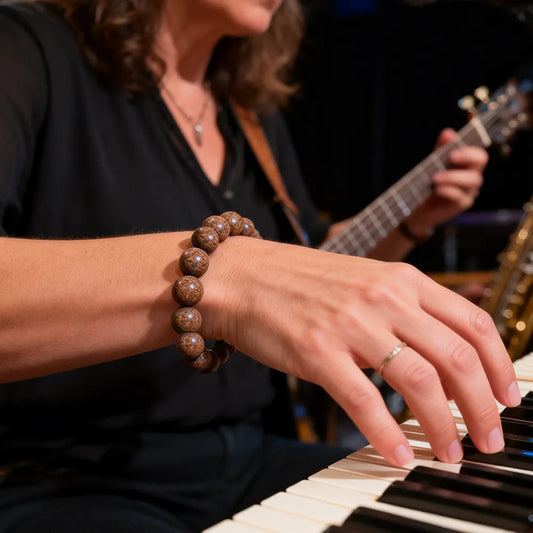
For anywhere you cannot have an open flame, the same blends are pressed into bead form, and a bead bracelet sits close to the skin and releases slowly rather than all at once. Those are here.
Quick answers
Is it okay to burn incense at night?
Yes. As long as the stick burns, remember to crack the window or the door. You can sleep after it burned. If what you want is scent through the night, then choose our incense bead bracelets.
Can I burn incense in a hotel room?
Only if the property allows open flame, and many do not. Check first, keep it on a proper holder away from curtains, and never leave it burning in a room you have left.
How many incense sticks should I burn for good luck?
Whatever number you have decided the occasion deserves. Odd counts carry the readings in Chinese practice, one and three are the common ones, and none of them changes what the stick does. If you are lighting it for a room rather than at an altar, one is enough.
How many incense sticks should I burn for cleansing?
One. A room gets one stick and one stick is a full burn. Adding a second to a small closed space does not add anything to the work, and it makes the smoke the thing you notice instead of the scent.
Should I use a stick or a bead bracelet?
By whether you can have an open flame. A stick is a clock and it needs fire to run. A bracelet has no flame, stays on you, and is the answer for travel, offices and anywhere the answer to the fire question is no.
What are the spiritual benefits of burning incense?
There are two separate things under that phrase. The first is what the tradition says the practice is for. A clean, warm, inhabited room, stale air turned away, a space that has been attended to. The second is the finding that a short ritual performed at the right moment lowers anxiety and restores a sense of control, and does so even in people who do not expect it to work. The third is about memory. A scent reaches memory and emotion without stopping at the relay that the other senses pass through first, which is why a smell can return a room you left years ago without asking permission. Sitting with a scent for half an hour marks those thirty minutes as different from the ones around them.
Does incense cleanse a room?
Cleansing a room is an old practice and it is recorded, and it is done with fire. At the fifth month, 艾 (mugwort) was gathered and hung at the doorway; 宗懔's 《荆楚岁时记》, written in the Liang dynasty, records the custom as 采艾以为人,悬门户上,以禳毒气, hung there to turn away the harmful air. The same season had a second half, done indoors. 顾禄's 《清嘉录》 describes it as burning in the room, with 苍术, 白芷, 大黄 and 芸香, the whole of it 以辟疫祛毒. The materia medica files those materials under 辟秽, the term for turning away stale air. 《本草正义》 is the most direct of all about the purpose, describing 苍术 as 芳香辟秽 and 驱除秽浊恶气, and saying that a house long left empty should have this burned in it before anyone lives there.